How’s the Real Estate Market? What Central Park Buyers & Sellers Need to Know in Summer 2026
Summer 2026 is bringing shifting inventory, changing buyer demand, and new opportunities—here's what Central Park buyers and sellers need to know about the current real estate market.
If you’ve been watching your neighbor’s “For Sale” sign linger a little longer than it used to, you’re not imagining things. The Denver Metro Association of Realtors’ (“DMAR”) June 2026 market data confirms what a lot of us have felt on the ground this summer: the market has become more balanced than it’s been in years. In this blog post I’ll dive into that, get into some of the nuances of the current market and provide some take aways for both buyers and sellers.
Hopefully this information will help set appropriate expectations if you’re considering housing moves in the second half of 2026. If we can be of service in Central Park please reach out. We help busy people with their housing needs in the neighborhood, whether they want to buy, sell, rent or need property management. You can find us on our website or get started here.
The Big Picture
Detached home sales across Denver Metro closed at a median price of $675,000 in June, up a modest 0.45% from May and 1.50% year-over-year. That’s steady, not explosive — appreciation has essentially flattened out. Meanwhile, active listings rose to 8,269, up 5.62% from May, giving buyers noticeably more to choose from than they’ve had in recent years.
But the number that tells the real story is days on market. The median time a detached home spent in MLS jumped 27.27% month-over-month, to 14 days, and average days on market climbed to 36. Homes aren’t sitting for months — but they’re not typically flying off the market in a weekend, either.
Takeaway #1: Condition Is Now the Deciding Factor
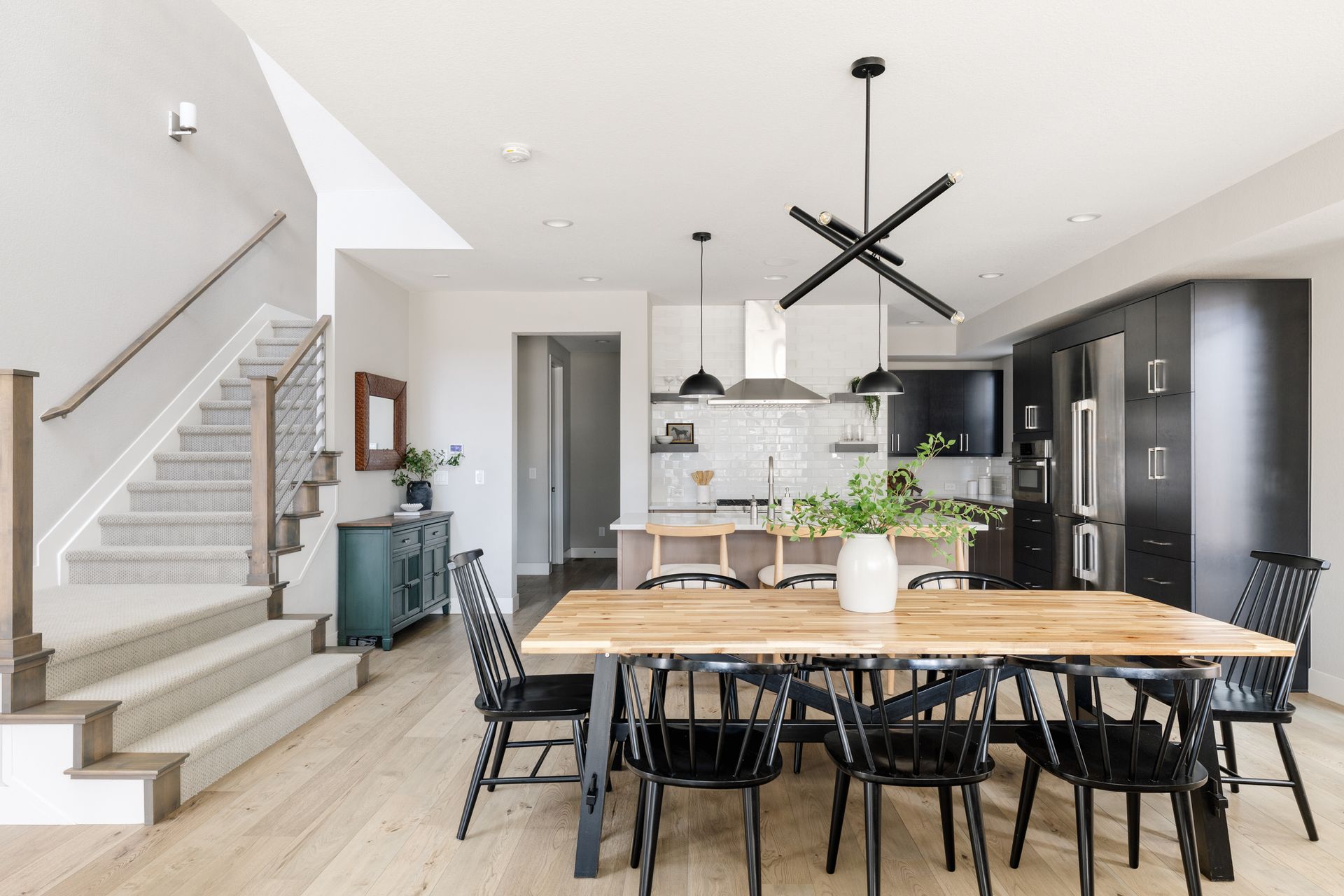
This is the headline of the whole report, and it matters enormously for a neighborhood like ours. Buyers touring homes right now are checking the age of the water heater, asking about the roof (“was this roof replaced after that May 2024 hail storm?”), and thinking about any projects they’ll need to take on now or in the near future. Well-presented, move-in-ready homes are still getting strong activity and closing near list price. Homes with deferred maintenance are sitting — and often taking price cuts to find a buyer.
As Amanda Snitker, Chair of the DMAR Market Trends Committee, put it in this month’s report, appreciation alone isn’t doing the heavy lifting for sellers anymore. She notes that condition has become the clearest lever left on the table, and it’s rewarding homeowners who’ve maintained their homes as assets rather than treating updates as projects to defer.
Part of what’s driving this is simple economics: buyers are feeling the pinch of inflation and elevated housing costs, and that makes them far more sensitive to any project they’d have to take on after closing. A home that “just needs a little work” now reads, to a stretched buyer, as a home with real dollar signs attached — a new roof, an aging furnace, outdated finishes. That’s why truly turnkey, move-in-ready homes are commanding attention and top offers, while anything less polished is sitting.
For sellers: if your home needs some updating, plan for that before you list, not after a price reduction forces the issue. A fresh coat of paint, updated fixtures, and addressing any obvious mechanical issues can be the difference between a 2-week sale and a 2-month one. At Focus Real Estate we’ll invest in staging your home upfront at our cost and we’ll help manage the needed repairs to make it shine. We’re not in a market where an agent can just toss up a yard sign and expect it to go well.
For buyers: this is genuinely a good moment to negotiate on a home that needs work or that has been sitting on the market a long time due to a pricing issue.
Detached vs. Attached: Two Very Different Markets
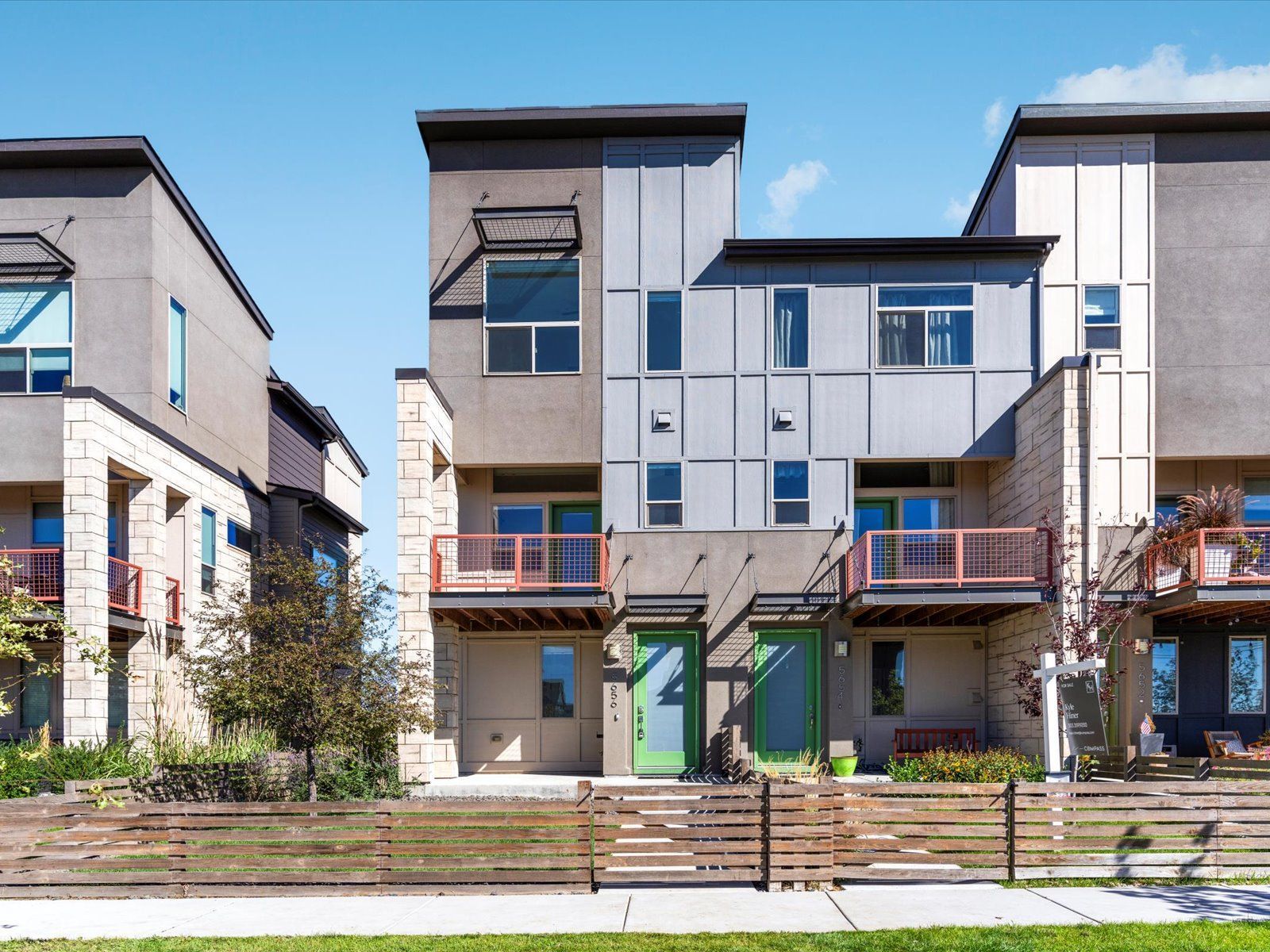
It’s worth pointing out that not all of Denver Metro is experiencing this balancing of the market equally — and if you own or are considering a townhome or condo, the picture looks tougher. Attached homes closed at a median price of $391,750 in June, down 2.06% year-over-year, on just 830 sales for the entire metro area. Days in MLS for attached homes jumped 17.24% month-over-month to a median of 34 days — nearly two and a half times longer than the 14-day median for detached homes. Inventory tells the same story: attached homes are sitting at roughly 5.4 months of supply (“months of supply” is Realtor talk that means how many months would it take at the current sales pace to absorb all the inventory if no new homes hit the market), well into buyer’s-market territory, compared to about 2.7 months for detached homes, which is still solidly in seller’s-market range. Rising HOA costs and deferred-maintenance concerns seem to be weighing especially hard on the attached segment right now.
Takeaway #2: The $300K–$999K Range Is Still Moving Fast — But Not Everywhere
Detached homes priced between $300,000 and $999,999 — which includes much of the Central Park inventory — are moving with less than three months of supply, still solidly a seller’s market by traditional standards. Compare that to the ultra-high end ($2 million+), where inventory has stretched to 4.63 months, or the entry-level tier under $300,000 at 4.44 months — both places where distinctive or dated properties are waiting longer for the right buyer. There is so much nuance to this market! It’s important to have an agent that can help you understand where you stand and what to expect.
If your home falls in that “sweet spot” price range above and shows well, you’re still in a strong position. If it’s priced well above $1 million or needs significant work, expect a longer runway and more negotiation.
Takeaway #3: Sellers Aren’t Losing Ground at the Table — They’re Just Waiting Longer to Get There
Here’s the encouraging part for anyone nervous about listing: even with days on market climbing, the close-price-to-list-price ratio for detached homes held at 99.20%. Sellers who price realistically and present their home well are still getting close to full asking price — they’re just not getting it in 3 days anymore. Buyers are willing to wait for the right home rather than rush into one they’ll regret, but they’re not lowballing well-prepared listings either.
Part of why this transition can feel jarring to sellers is the change in showing volume. Back in the hot market of 2021, Denver Metro listings averaged around 14 showings a month. (One every other day – awesome!) That number has now fallen to roughly 4 showings a month. (One per week – “Where is everyone? What’s wrong with our listing? Are we priced too high?”) Going from multiple showings a week to about one a week can feel alarmingly slow if you’re not expecting it — so if you’re planning to list, it’s important to set your expectations accordingly going in. A quiet week doesn’t mean something’s wrong with your home or that the price is too high; it’s simply the pace of today’s market.
This is also why the first two weeks a listing is live matter more than ever. Homes that hit the market in great shape and priced correctly out of the gate tend to generate the most interest and the best offers early on. If pricing or presentation misses the mark in that initial window, the home is more likely to sit — and sitting longer tends to lead to a lower final sales price, not a higher one. Getting it right from day one is the single best thing a seller can do.
What If Now Just Doesn’t Feel Like the Right Time to Sell?
Not everyone who’s thinking about a move is ready to list today — and that’s completely reasonable. Maybe you’re watching days-on-market climb and would rather wait for a market with a bit more momentum for sellers. Maybe you’re hoping for another year or two of appreciation, or you just want to see how rates and inventory shake out before committing. If that’s you, selling isn’t your only path forward.
Renting your home out is a smart way to hold onto the property, keep building equity, and generate income while you wait for market conditions you’re more comfortable with — instead of feeling pressure to sell into a moment that doesn’t feel right. This is exactly where our property management team comes in. We manage rental homes right here in Central Park and within 15 minutes — so we know this micro-market inside and out: what renters are looking for, how to price a rental correctly, and how to handle the day-to-day so you don’t have to. If you’re weighing “sell now” against “wait it out,” let’s talk through what renting your home in the meantime could look like. To chat set up a meeting at you convenience on our Get Started page.
Affordability Is Still the Backdrop for All of This
It’s worth zooming out for a second. Colorado climbed nine spots to No. 18 in Realtor.com’s 2026 Housing Report Card this year, driven by strong homebuilding activity — but affordability remains a real challenge, with a typical Colorado home now eating up about 41.4% of household income. (It’s tough when almost half of your gross pay is going to housing!) On top of that, industry forecasts continue to call for mortgage rates to stay in the mid-six percent range for the rest of 2026, with only gradual improvement expected if inflation keeps cooling — not a return to pandemic-era lows.
Taken together, this is likely to keep the market in the kind of balance we’re seeing right now: not a runaway seller’s market, but not a buyer’s free-for-all either. Both sides have some leverage, which means both sides benefit from having an experienced agent in their corner — someone who can help you prepare your home and price it correctly to get the best possible result, whether you’re buying or selling in this environment.
Bottom Line
Denver Metro’s housing market has settled into a more balanced rhythm: more inventory, more time on market, but stable prices for homes that show well. Whether you’re buying, selling, or just weighing your options, the data says the same thing — preparation and realistic pricing matter more than ever.
Thinking about your next move? Reach out and let’s talk through what the June numbers mean for your specific street and situation. Get Started.
Love Data? Download the complete DMAR report below.
Data source: Denver Metro Association of Realtors® June 2026 Market Trends Report, based on REcolorado MLS data.
Read the full DMAR report here: